
- Lecturer: silas momanyi
Purpose of the course:
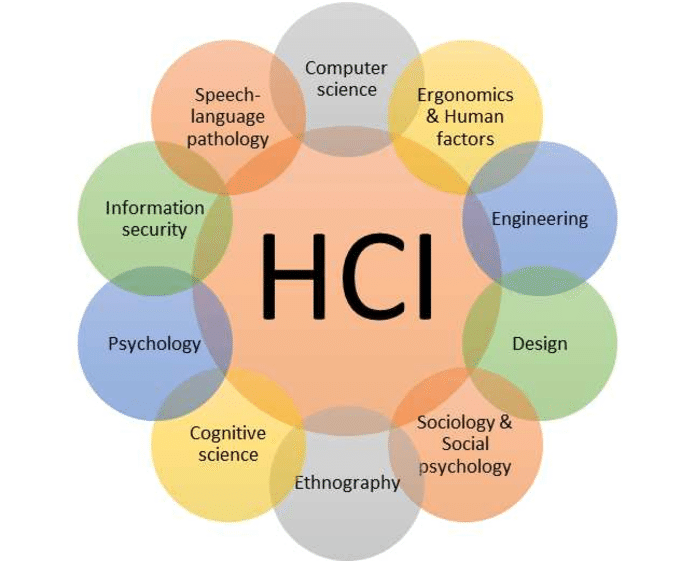
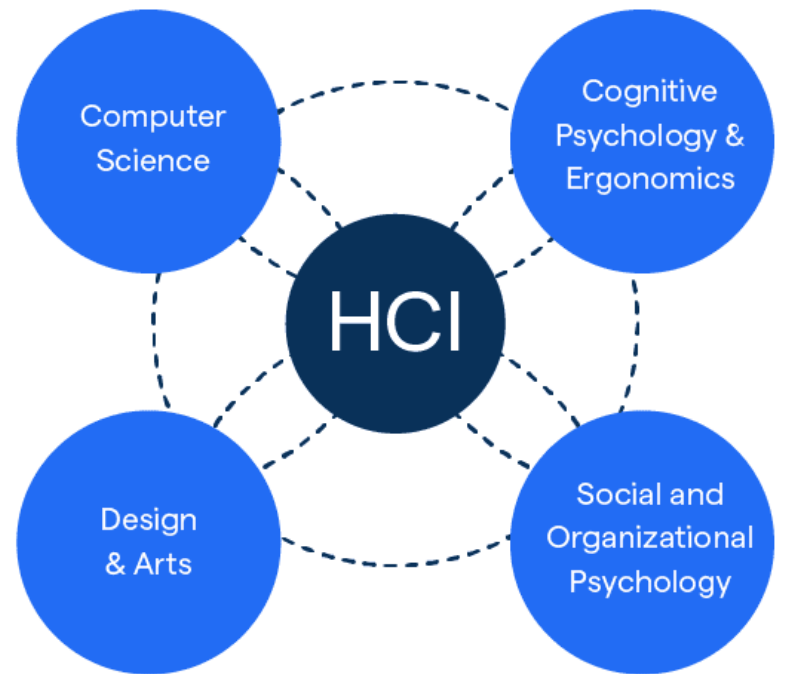
The course intends to provide the leaners with an overview of human-centered computing (HCC), particularly from the view of user-oriented computing system design and research. As an emerging, multidisciplinary field, HCC is commonly referred to and characterized by the idea of devising designs of computing systems based on properties, needs and constraints of the users and their tasks, rather than the inverse.
Expected Learning Outcomes of the Course:
At the end of this course, the student should be able to;
1. Demonstrate an understanding that HCC embodies more than technology building and has to include issues such as how to the software and hardware systems supports people
2. Demonstrate an understanding of people and the interactions between people and technologies.
- Teacher: Prof. Mzee Awuor
An introduction to computing ethics; Law and marketing. A survival kit for IT graduates entering the workforce; Computer ethical issues: information privacy, computer crime and computer terrorism; International legal framework for protecting software system development; Non-disclosure agreements and employment contracts; Intellectual property law (copyright, patent, licensing, royalties); Comparison of the major ethical theories; Analysis of computer ethical issues in terms of the major ethical theories; Professional ethics of computing societies; Basic application of professional ethics during the software life cycle; Legal tools for safeguarding a developer's interests when developing /publishing / marketing software; Marketing / political / economic considerations influencing the IT industry; Legalities involved in starting a computer (software) company;
- Teacher: Kengere Kibwage